
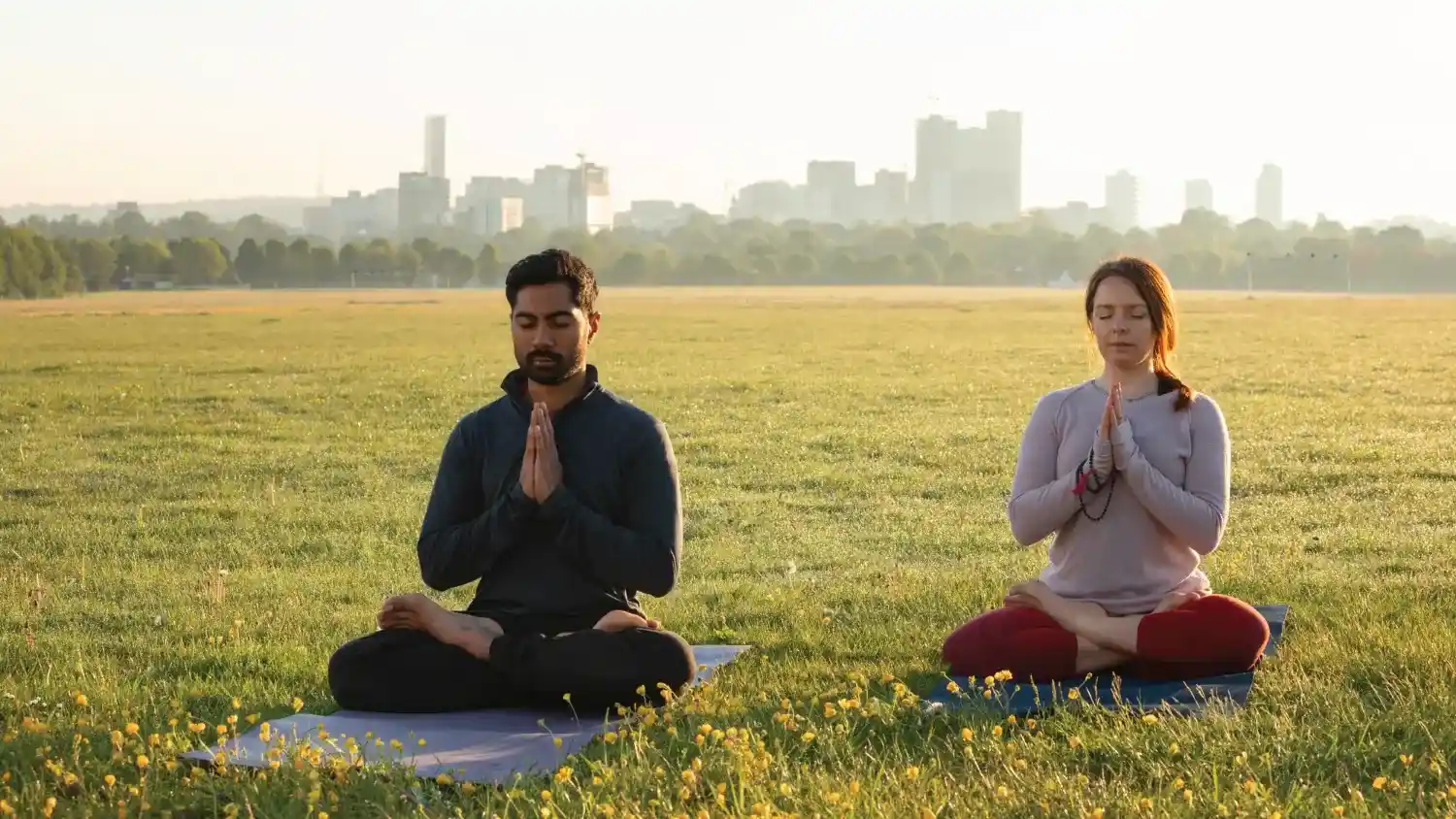
Meditation has become an essential part of modern wellness routines, helping millions manage stress, improve focus, and achieve emotional balance. But one common question keeps coming up: “When is the best time to meditate-morning or evening?”
The answer isn’t one-size-fits-all. The ideal time depends on your lifestyle, goals, and natural rhythm. Whether you’re a sunrise enthusiast who loves starting the day with focus, or a night owl seeking calm before sleep, both morning and evening meditation offer unique benefits.
In this blog, Mind Peace Zone explores the differences between morning and evening meditation, their advantages, and how to decide which practice best fits your needs.
The Ever-Evolving World of Meditation
Meditation has evolved beyond ancient temples and monasteries. Today, it’s integrated into homes, offices, schools, and even therapy sessions. From mindfulness and breath awareness to guided visualization and sound healing, meditation continues to adapt to modern lifestyles.
The ever-evolving practice of meditation now embraces flexibility – you can meditate anytime, anywhere, and still experience its profound effects. Yet, the timing of your session can significantly influence your experience and outcomes.
Let’s understand how the time of day impacts your mind and body during meditation.
The Science Behind Meditation Timing
Scientific studies suggest that the benefits of meditation are linked not only to consistency but also to timing. Our circadian rhythm – the body’s internal clock – influences alertness, mood, and hormone production throughout the day.
- Morning: The brain produces more cortisol (the “awake” hormone), making it a great time to set intentions and sharpen focus.
- Evening: The body prepares for rest, lowering stress hormones and slowing brain activity, ideal for calming the mind and releasing tension.
By syncing meditation with these natural cycles, you can maximize its mental and physical benefits.
Morning Meditation: Benefits and Best Practices
Morning meditation is often seen as a powerful way to set a positive tone for the day. Practicing mindfulness in the early hours allows you to begin with clarity, purpose, and a calm mindset.
1. Boosts Focus and Energy
Morning meditation activates your mind gently and helps improve concentration throughout the day. It’s like a mental warm-up that prepares you for productivity and better decision-making.
2. Reduces Stress Before the Day Begins
Starting your day with meditation helps you manage stress before it even arises. Instead of reacting to challenges, you respond with mindfulness and balance.
3. Enhances Mindfulness and Clarity
Morning sessions create space for self-reflection and gratitude. By observing your thoughts before the day’s distractions set in, you become more aware of your emotions and priorities.
4. Best Morning Meditation Techniques
- Mindful Breathing: Focus on your breath for 10–15 minutes upon waking.
- Gratitude Meditation: Reflect on three things you’re thankful for.
- Visualization: Picture your ideal day unfolding with calm and purpose.
- Sun Salutation Meditation: Combine gentle yoga with mindful breathing.
Pro Tip: Try meditating right after waking up, before checking your phone or engaging in daily tasks. This helps maintain mental stillness and focus.
Evening Meditation: Benefits and Best Practices
Evening meditation is a soothing way to release tension and promote better rest. It helps you disconnect from daily worries and prepare for restorative sleep.
1. Releases the Stress of the Day
Evening meditation allows you to process emotions and let go of the day’s stress. It’s a reset button for your mind, helping you unwind from work, responsibilities, and digital distractions.
2. Improves Sleep Quality
A calm mind promotes better sleep. Meditation before bed reduces overthinking and activates the parasympathetic nervous system – your body’s natural “rest and digest” mode.
3. Encourages Emotional Balance
Evening sessions help you reflect on your day with kindness rather than judgment. This fosters emotional intelligence and inner peace.
4. Best Evening Meditation Techniques
- Body Scan Meditation: Slowly focus on relaxing each body part.
- Loving-Kindness Meditation: Send compassion to yourself and others.
- Guided Relaxation: Use calming audio or a guided app to drift into serenity.
- Sleep Meditation: Lie comfortably, focus on deep breathing, and let go of tension.
Pro Tip: Dim the lights, silence your phone, and meditate 30–60 minutes before bed for best results.
Morning vs. Evening Meditation: Key Differences
| Aspect | Morning Meditation | Evening Meditation |
|---|---|---|
| Goal | Boost focus, clarity, and productivity | Relax, release stress, and prepare for rest |
| Energy Level | High – promotes alertness | Low – encourages calm and reflection |
| Best For | Early risers, busy professionals, students | Night owls, stress-prone individuals |
| Benefits | Improves motivation, focus, mindfulness | Improves sleep, emotional balance, relaxation |
| Ideal Duration | 10–20 minutes | 15–30 minutes |
| Recommended Practices | Breathing, gratitude, visualization | Body scan, loving-kindness, guided relaxation |
Ultimately, both are beneficial – the choice depends on your goals and lifestyle.
Choosing the Right Meditation Time for You
Here are a few factors to consider before deciding:
- Your Schedule: Choose a time when you won’t be disturbed.
- Your Energy Levels: If you feel more alert in the morning, meditate early. If you unwind better in the evening, opt for nighttime sessions.
- Your Goals: Want focus and productivity? Choose morning. Want relaxation and emotional healing? Choose evening.
- Experimentation: Try both times for a week each and observe which feels more natural and impactful.
Remember, consistency matters more than timing. Regular meditation, even for 10 minutes daily, can create lasting positive change.
Combining Both for Maximum Benefits
For many practitioners, a combination of both morning and evening meditation delivers the best results.
- Morning Meditation: Sets your intention and focus for the day.
- Evening Meditation: Helps you release what no longer serves you.
This dual practice creates a full-circle balance – clarity at dawn and calm at dusk. Over time, it strengthens your emotional resilience and deepens your connection to self-awareness.
Tips to Maintain a Consistent Meditation Routine
- Set a Fixed Time: Make meditation a non-negotiable part of your routine.
- Start Small: Begin with 5–10 minutes and gradually increase duration.
- Create a Dedicated Space: Use a quiet corner with a cushion, candle, or plant to build focus.
- Use Guided Apps: Tools like Headspace, Calm, or Mind Peace Zone’s meditation content can help you stay consistent.
- Track Progress: Note how you feel before and after sessions to stay motivated.
- Be Kind to Yourself: Missing a day is fine – return to practice without guilt.
Meditation is not about perfection; it’s about presence and persistence.
Final Thoughts
So, which is better – morning or evening meditation? The truth is, there’s no universal answer. Each time offers unique benefits, and the best choice depends on your personal goals and rhythm.
- Choose morning meditation for focus, clarity, and energy.
- Choose evening meditation for relaxation, reflection, and better sleep.
- Or practice both to experience full-spectrum mindfulness.
Whichever you choose, remember that meditation is a lifelong journey – one that evolves with you. Stay open to exploring different techniques and timings until you discover what resonates most.
At Mind Peace Zone, we believe meditation is an ever-evolving practice – a powerful way to connect with yourself, manage stress, and unlock peace in every moment.
FAQs
Is it better to meditate in the morning or at night?
It depends on your goals. Morning meditation enhances focus and energy, while evening meditation helps release stress and improve sleep. Both are beneficial – consistency matters most.
Can I meditate both in the morning and evening?
Yes! Meditating twice daily deepens your practice. Morning sessions prepare you for the day, and evening ones help you unwind and reset.
How long should I meditate for the best results?
Start with 10–15 minutes daily. As your concentration improves, gradually increase to 20–30 minutes for optimal benefits.
What if I fall asleep during evening meditation?
It’s normal, especially if you’re tired. Try sitting upright or meditating earlier in the evening to stay alert.
Can beginners choose any time for meditation?
Absolutely. The best time is the one you can commit to regularly. Consistency and comfort are more important than timing.
What’s the ideal environment for meditation?
A quiet, comfortable space free of distractions works best. You can add soft lighting, calming scents, or gentle music to enhance focus.


