
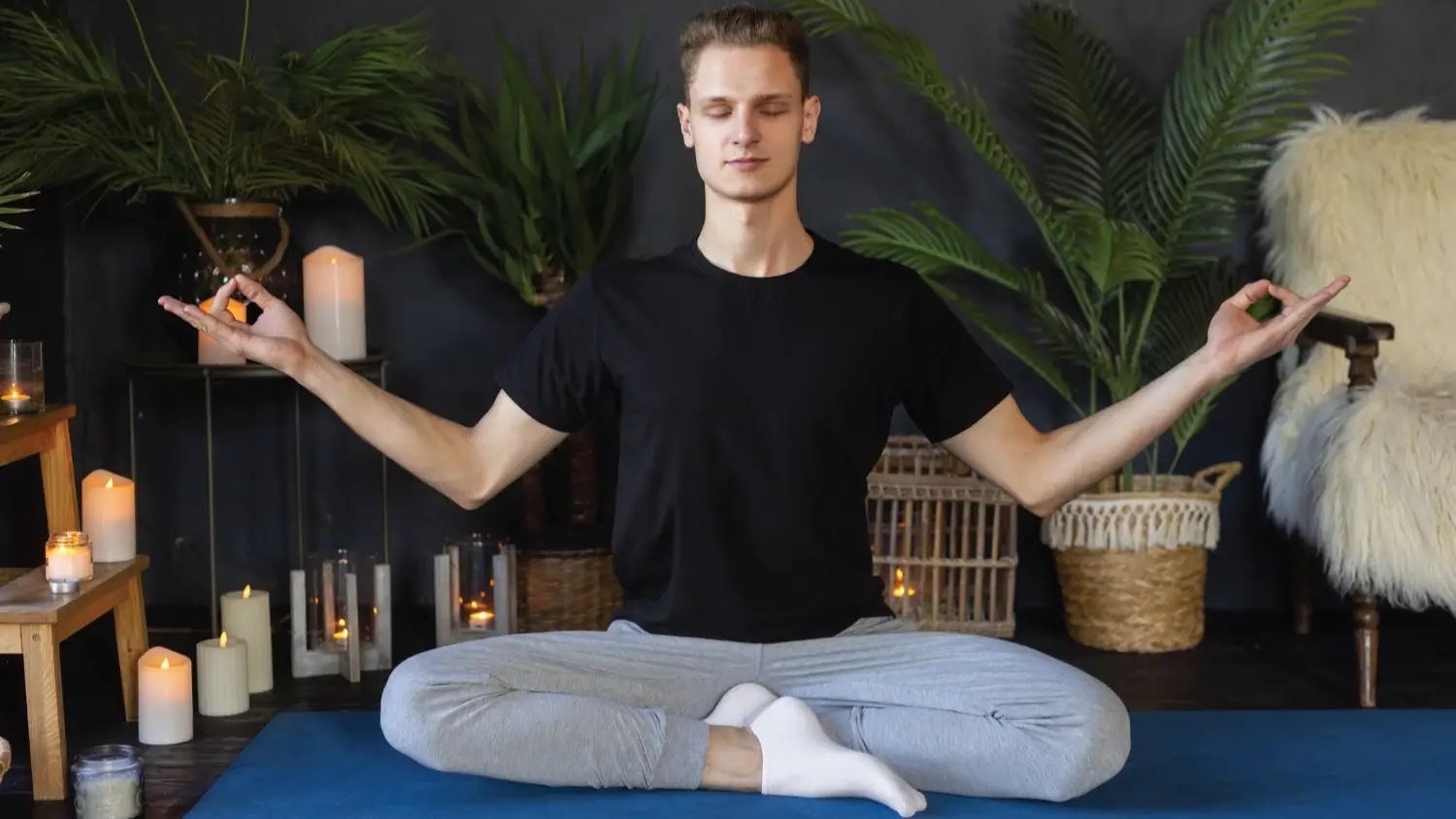
In our fast-paced, digitally dominated world, mental peace often feels like a luxury. Constant notifications, social media pressure, and an endless stream of information have made it difficult to pause and breathe. This is where mindfulness meditation steps in-a simple yet profound practice that helps you reconnect with the present moment and find calm amidst chaos.
If you’ve ever felt overwhelmed and wondered how to quiet your mind, this beginner’s guide to mindfulness meditation will show you where to start, what to expect, and how to make meditation a part of your daily life.
At Mind Peace Zone, we believe in nurturing inner calm through mindful living and helping people embrace the ever-evolving art of meditation for a healthier mind and soul.
What Is Mindfulness Meditation?
Mindfulness meditation is a mental training practice that helps you focus your attention on the present moment-without judgment. It encourages awareness of thoughts, emotions, and sensations as they arise and pass, allowing you to cultivate a deep sense of calm and clarity.
Unlike other meditation forms that may focus on a mantra or visualization, mindfulness emphasizes simple awareness-being fully “here and now.” The practice is rooted in ancient Buddhist traditions but has been widely adopted in modern psychology, healthcare, and wellness circles for its proven mental and emotional benefits.
The Science Behind Mindfulness
The popularity of mindfulness isn’t based on trend-it’s supported by science. Research from institutions like Harvard, Stanford, and UCLA shows that mindfulness meditation can reshape the brain.
Regular practice has been found to:
- Reduce activity in the amygdala, the brain’s “stress center.”
- Increase gray matter density in regions linked to learning, memory, and emotional regulation.
- Boost focus and cognitive flexibility, improving decision-making.
- Lower cortisol levels, decreasing anxiety and depression symptoms.
These findings explain why mindfulness is not only a wellness tool but a scientifically backed method for improving overall quality of life.
Benefits of Mindfulness Meditation
Mindfulness meditation offers a wide range of benefits for mental, emotional, and physical well-being. Let’s explore the key advantages:
a. Reduced Stress and Anxiety
By focusing on the present moment, mindfulness helps you distance yourself from worries about the past or future. Over time, this lowers stress hormone levels and enhances resilience.
b. Improved Emotional Health
Mindfulness promotes emotional regulation, reducing the intensity of anger, sadness, and fear. It teaches you to observe emotions rather than react impulsively to them.
c. Enhanced Focus and Concentration
Meditation trains your mind to return to the present whenever it wanders. This “mental workout” strengthens attention span, productivity, and performance.
d. Better Sleep
Mindfulness helps calm racing thoughts and tension, making it easier to fall asleep and achieve restful sleep.
e. Physical Health Benefits
Studies have shown mindfulness can lower blood pressure, improve immune response, and even reduce chronic pain.
f. Greater Self-Awareness
Through mindfulness, you become more aware of your habits, thoughts, and reactions-empowering you to make conscious choices instead of living on autopilot.
How to Start Practicing Mindfulness Meditation
Starting mindfulness meditation doesn’t require expensive tools or prior experience. All you need is an open mind and a few minutes daily. Follow these steps:
Step 1: Find a Quiet Space
Choose a calm, comfortable place where you won’t be disturbed. Sit on a chair or cushion with your back straight but relaxed.
Step 2: Focus on Your Breath
Close your eyes gently and bring your attention to your breathing. Notice the sensation of air entering and leaving your nostrils, or your chest rising and falling.
Step 3: Observe Your Thoughts
As you meditate, your mind will wander-that’s natural. When it does, gently acknowledge the distraction without judgment and bring your focus back to your breath.
Step 4: Start Small
Begin with 5 to 10 minutes daily. Gradually increase to 20 minutes as your focus improves.
Step 5: End with Gratitude
After finishing, take a moment to appreciate your effort and the stillness you cultivated, no matter how brief.
Remember: mindfulness is not about achieving a blank mind; it’s about noticing whatever arises and learning to let it go.
Common Challenges Beginners Face
Every beginner encounters obstacles when starting meditation. Recognizing them helps you stay patient and committed.
- Restlessness: It’s hard to sit still at first. Start with shorter sessions.
- Wandering thoughts: Instead of frustration, practice gentle redirection.
- Sleepiness: Try meditating earlier in the day or sit upright to stay alert.
- Expecting quick results: Mindfulness is a gradual journey, not a quick fix.
- Self-criticism: There’s no “perfect” meditation-just consistent effort.
By understanding these challenges, you’ll develop compassion toward yourself and stay motivated.
Tips for Building a Consistent Meditation Routine
Creating a consistent habit is key to reaping long-term benefits. Here are practical tips:
1. Set a Schedule
Meditate at the same time daily-morning or evening-to create structure.
2. Start Small
Even two minutes daily is valuable. The consistency matters more than duration.
3. Use Guided Meditations
Apps or YouTube channels can help beginners maintain focus and learn new techniques.
4. Track Progress
Use a journal or meditation tracker to record your sessions and feelings.
5. Join a Community
Connecting with like-minded people or visiting a website like Mind Peace Zone can inspire and support your mindfulness journey.
6. Be Kind to Yourself
Don’t get discouraged on difficult days. Every moment of awareness is progress.
Mindfulness in Everyday Life
Mindfulness isn’t limited to meditation sessions-it can be woven into everything you do.
Mindful Eating
Savor each bite. Notice textures, flavors, and aromas instead of eating mindlessly.
Mindful Walking
Focus on your footsteps, the feeling of the ground beneath you, and your breathing rhythm.
Mindful Listening
When someone speaks, give them your full attention without planning your response.
Mindful Working
Take short breaks to stretch, breathe, or refocus during your workday.
The goal is to cultivate a present-moment awareness that flows naturally into all aspects of your life.
Ever-Evolving World of Meditation Practices
The field of mindfulness meditation is constantly evolving. From ancient Buddhist roots to modern scientific integration, meditation now includes diverse styles and technological advancements:
- Mindfulness-Based Stress Reduction (MBSR): Developed by Jon Kabat-Zinn, used in hospitals and therapy settings.
- Digital Mindfulness Tools: Apps and wearables that track breathing, heart rate, and mental calm.
- Corporate Wellness Programs: Many organizations now include meditation training for employees.
- Virtual Meditation Communities: Online platforms (like Mind Peace Zone and others) bring people together globally for group sessions and guidance.
This evolution highlights meditation’s growing role in promoting holistic well-being and mental health awareness worldwide.
Final Thoughts
Mindfulness meditation is more than just a relaxation technique-it’s a lifestyle of awareness, patience, and compassion. Starting your journey may feel challenging, but every small step counts.
As you learn to quiet your mind, you’ll notice improved focus, emotional balance, and a deeper sense of connection to yourself and others. Remember, the goal isn’t perfection-it’s presence.
Whether you’re a complete beginner or someone seeking peace in a busy world, mindfulness offers a timeless path toward mental clarity and happiness. Let your journey begin today-with awareness, intention, and guidance from platforms like Mind Peace Zone that celebrate the beauty of mindful living.
FAQs
How long should a beginner meditate daily?
Start with 5–10 minutes daily. As your comfort grows, gradually increase the duration. Even short sessions can have significant benefits over time.
Do I need to sit cross-legged to meditate?
No. You can sit on a chair, cushion, or even stand-what matters most is maintaining a relaxed yet alert posture.
What should I do if my mind keeps wandering?
Simply notice the distraction and gently guide your focus back to your breath. Wandering is normal-it’s part of the practice.
Can mindfulness help with anxiety or depression?
Yes, numerous studies show mindfulness can reduce symptoms of stress, anxiety, and depression by improving emotional regulation and self-awareness.
How long before I see results?
Some benefits, like reduced stress, can appear within a few weeks. However, lasting changes come with consistent practice over months.
Is mindfulness meditation religious?
No. While it has Buddhist origins, modern mindfulness is a secular practice focused on awareness and self-improvement.


