
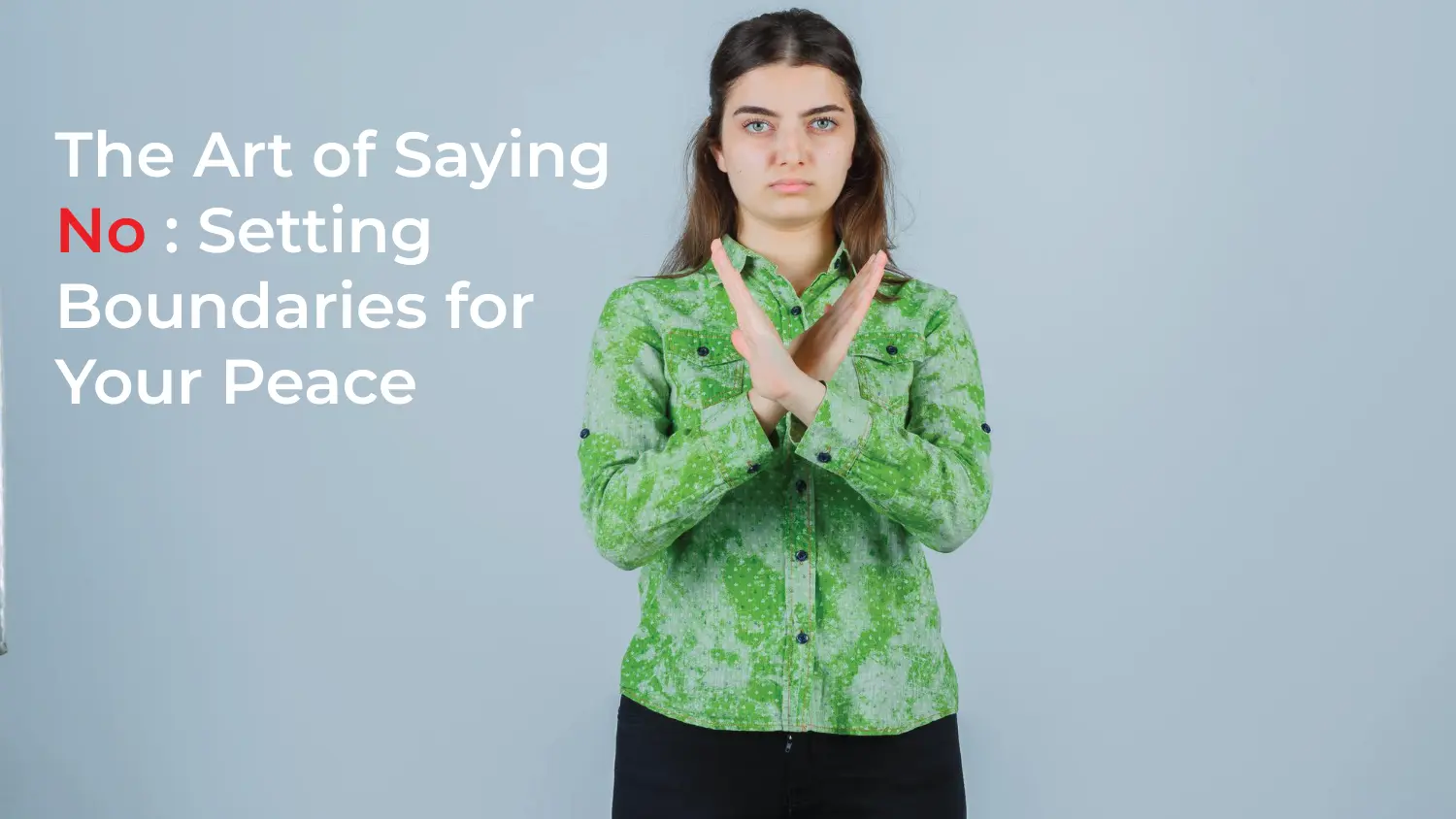
In a world that glorifies productivity, hustle, and constant availability, saying “no” can feel uncomfortable – even selfish. But learning the art of saying no is one of the most powerful self-care tools we have. It’s not about rejection; it’s about self-respect.
When you learn to set clear and healthy boundaries, you reclaim your time, mental peace, and emotional balance. This article explores how you can master this skill and how platforms like Mind Peace Zone encourage the practice of mindful self-care and boundary-setting in our ever-evolving world.
Understanding the Power of “No”
The word “no” is short, but its impact is profound. It’s a simple act that allows you to define what you will and won’t accept in your life. Saying no is a declaration of your priorities – a conscious choice to protect your peace, time, and energy.
Many people misunderstand “no” as negative or harsh, but in truth, it’s a form of self-love. It prevents burnout, resentment, and emotional fatigue – all of which come from constantly saying “yes” to others at the expense of yourself.
Why Setting Boundaries Is Essential for Self-Care
Boundaries are the foundation of mental and emotional well-being. They define the space between where you end and others begin. Without them, it’s easy to lose yourself in relationships, work, or social obligations.
Here’s why boundaries are crucial for your peace:
- They protect your energy and emotional stability.
- They help you prioritize your needs without guilt.
- They foster respect from others by clarifying limits.
- They reduce stress by creating predictability and balance.
Setting boundaries is not about isolating yourself – it’s about creating an environment that supports your growth, peace, and happiness.
Common Reasons We Struggle to Say No
Even when we know saying no is necessary, many of us still find it hard. Some common reasons include:
- Fear of disappointing others: You don’t want to hurt feelings or appear unkind.
- Guilt: You believe saying no makes you selfish.
- People-pleasing tendencies: You want to be liked or accepted.
- Low self-worth: You feel your needs are less important.
- Cultural or familial conditioning: You were taught to always say yes out of obligation or respect.
Recognizing these patterns is the first step toward breaking free from them.
The Psychological and Emotional Benefits of Saying No
Saying no isn’t just about turning down requests – it’s about reclaiming your mental space. When you start saying no:
- You reduce stress and overwhelm.
- You gain mental clarity and focus on what truly matters.
- You strengthen your self-esteem and confidence.
- You nurture authentic relationships based on mutual respect.
- You experience a deep sense of inner peace and autonomy.
In essence, “no” becomes a tool for emotional detox – clearing away unnecessary commitments and creating room for genuine joy.
How to Say No Gracefully – Without Guilt
Saying no doesn’t have to be rude or abrupt. With empathy and honesty, you can communicate your limits while maintaining positive relationships. Here’s how:
1. Be polite but firm.
- Example: “I really appreciate the offer, but I can’t take that on right now.”
2. Offer alternatives (if possible).
- Example: “I’m not available today, but maybe next week could work.”
3. Avoid over-explaining.
- You don’t owe anyone a long justification. A simple “I’m unable to” is enough.
4. Use body language and tone that reflect confidence.
- Calm eye contact and steady tone help reinforce your boundaries.
5. Practice saying no in small situations.
- The more you practice, the easier it becomes in bigger moments.
Remember: You can be kind and assertive at the same time.
Practical Strategies to Build and Maintain Boundaries
Establishing boundaries is not a one-time act – it’s an ongoing self-care process. Use these strategies to create and maintain them:
- Identify your limits.
Reflect on what feels draining or stressful and set boundaries accordingly. - Communicate clearly.
Be direct about your needs instead of expecting others to guess. - Start small.
Begin by saying no in low-stakes situations to build confidence. - Be consistent.
Enforce your boundaries regularly – inconsistency sends mixed signals. - Surround yourself with supportive people.
Healthy individuals will respect your boundaries rather than challenge them. - Check in with yourself regularly.
Boundaries evolve over time as your priorities shift.
The Role of Self-Awareness in Setting Limits
Self-awareness helps you recognize your emotional triggers, energy levels, and personal limits. Without it, you may continue saying yes out of habit or fear.
Ask yourself:
- What situations drain me most?
- What do I truly want to spend my time on?
- Who respects my boundaries, and who doesn’t?
When you become more self-aware, your decisions naturally align with your well-being. This is where platforms like Mind Peace Zone encourage mindfulness and self-reflection – helping you stay attuned to your emotional needs in an ever-changing world.
Real-Life Scenarios: When and How to Say No
Here are a few examples to guide you through everyday situations:
- At Work:
“I’d love to help, but my plate is full right now. Could we revisit this next week?” - In Relationships:
“I need some alone time this weekend to recharge. Let’s plan something next week.” - Social Invitations:
“Thank you for inviting me, but I’m taking a quiet day for myself.” - Family Obligations:
“I understand this is important to you, but I can’t commit to that right now.”
Each “no” is a step toward a more balanced, peaceful, and intentional life.
Ever-Evolving Self-Care: Adapting Your Boundaries Over Time
As your life changes, so should your boundaries. What worked for you last year might not suit your current phase.
For example:
- A new job might require stricter work-life boundaries.
- A growing family may mean prioritizing personal downtime.
- Healing from burnout might call for more solitude and rest.
Self-care is not static – it’s a living, evolving practice. Regularly reassess your boundaries and update them to match your emotional and physical needs. Remember, saying no today could mean saying yes to your well-being tomorrow.
Conclusion
Saying no is not a rejection of others – it’s an act of self-preservation and empowerment. When you master the art of saying no, you free yourself from stress, guilt, and overcommitment. You gain time for what truly nourishes you – peace, joy, and authentic living.
Let “no” be your tool for peace, not conflict. Honor your boundaries and watch your life align with clarity and calm. For more ever-evolving self-care insights, visit Mind Peace Zone, where nurturing your peace is the ultimate goal.
FAQs
Is saying no a form of self-care?
Absolutely. Saying no protects your time, energy, and mental health – essential components of self-care.
How can I say no without feeling guilty?
Practice mindfulness, remind yourself that your needs matter, and understand that boundaries are healthy, not selfish.
What if people get upset when I say no?
You can’t control others’ reactions. Stay calm and remember that genuine relationships respect your boundaries.
How do I know when to set a boundary?
When you feel drained, resentful, or overwhelmed in certain situations, it’s a sign that your boundaries need attention.
Can boundaries change over time?
Yes. Boundaries evolve as your priorities, relationships, and self-awareness grow.
Is it rude to say no at work?
Not at all – as long as you communicate professionally and clearly. Healthy workplace boundaries lead to better productivity and respect.


