
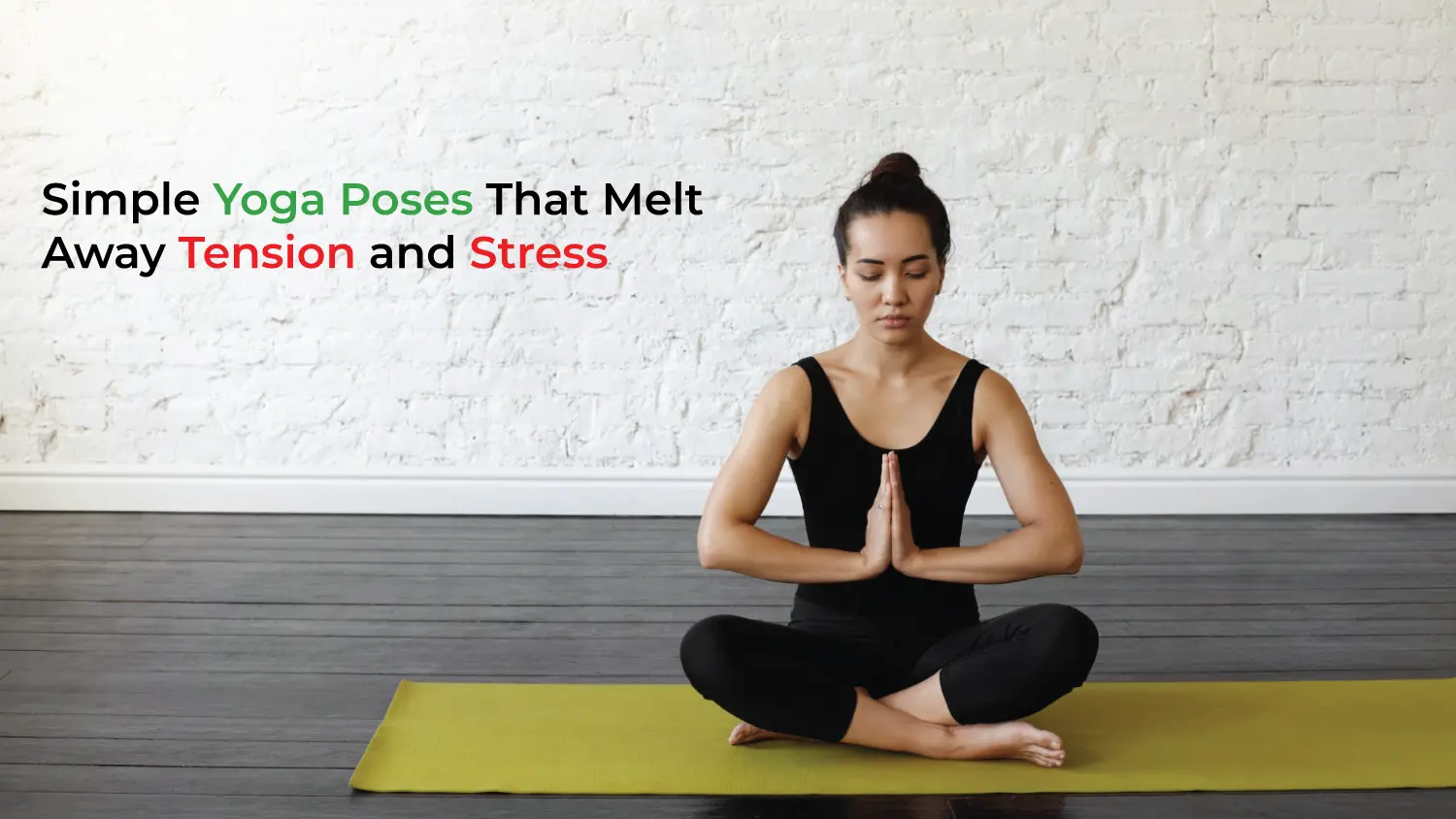
The Healing Power of Yoga
In today’s fast-paced world, stress and anxiety have become almost second nature. Between deadlines, digital distractions, and daily demands, your body and mind often crave a reset. Yoga offers that much-needed balance – a peaceful way to reconnect, release tension, and breathe deeply.
Unlike intense workouts that tire your body, yoga gently harmonizes movement and mindfulness, creating a sanctuary of calm within you. Whether you’re a beginner or an experienced practitioner, simple yoga poses can make a profound difference in how you handle stress.
In this blog from Mind Peace Zone, we’ll explore easy, restorative poses designed to melt away tension, rejuvenate your body, and guide you toward ever-evolving stress relief.
Understanding the Mind-Body Connection
Stress isn’t just a mental burden – it manifests physically. Tight shoulders, a stiff neck, shallow breathing, or headaches are all signs of built-up tension. The body stores emotional stress in muscles and tissues, and yoga helps release it through mindful movement and deep breathing.
When you practice yoga, you tap into your parasympathetic nervous system – the body’s rest and digest mode – helping lower cortisol levels and promoting relaxation. Over time, this connection strengthens, teaching your body how to respond calmly, not react impulsively.
How Yoga Helps in Stress Relief
Yoga acts as a holistic therapy that nurtures both body and mind. Here’s how it supports stress management:
- Reduces muscle tension by stretching and improving flexibility.
- Lowers heart rate and blood pressure, promoting relaxation.
- Encourages mindfulness, pulling you away from anxious thoughts.
- Improves breathing patterns, increasing oxygen flow to the brain.
- Releases endorphins, the “feel-good” hormones.
In short, yoga doesn’t just stretch your body – it rewires your stress response, teaching your mind to stay calm even in chaos.
Top 10 Simple Yoga Poses to Melt Away Tension
You don’t need fancy equipment or advanced flexibility to feel the benefits of yoga. These ten beginner-friendly poses are perfect for releasing stress and soothing the mind.
1. Child’s Pose (Balasana)
Purpose: Calms the mind and relieves tension in the back, shoulders, and neck.
How to Do It:
- Kneel on your mat with toes touching and knees apart.
- Sit back on your heels and stretch your arms forward.
- Rest your forehead on the mat and breathe deeply.
Why It Works:
This restorative pose signals safety and comfort to your nervous system, easing anxiety and fatigue.
2. Cat-Cow Stretch (Marjaryasana-Bitilasana)
Purpose: Relieves spinal stiffness and promotes emotional release.
How to Do It:
- Start on all fours, hands under shoulders, knees under hips.
- Inhale, arch your back (Cow Pose).
- Exhale, round your spine (Cat Pose).
- Repeat slowly for 1–2 minutes.
Why It Works:
This gentle flow syncs breath and movement, helping you relax while massaging your spine.
3. Downward-Facing Dog (Adho Mukha Svanasana)
Purpose: Stretches the entire body and improves circulation.
How to Do It:
- Begin on all fours, lift your hips up and back, forming an inverted “V.”
- Keep your heels pressing toward the floor.
- Hold for 5–7 breaths.
Why It Works:
This pose energizes the body while calming the mind – perfect for mid-day stress relief.
4. Legs-Up-the-Wall Pose (Viparita Karani)
Purpose: Reduces fatigue and anxiety while promoting blood flow to the brain.
How to Do It:
- Sit close to a wall and swing your legs up against it.
- Lie back and relax your arms beside you.
- Breathe deeply for 5–10 minutes.
Why It Works:
This inversion improves circulation, relaxes the lower back, and helps quiet a racing mind.
5. Seated Forward Bend (Paschimottanasana)
Purpose: Calms the nervous system and stretches the spine and hamstrings.
How to Do It:
- Sit with legs extended forward.
- Inhale, raise your arms; exhale, fold forward.
- Hold your feet or shins and breathe.
Why It Works:
This forward fold releases tension in the spine and encourages introspection and calm.
6. Bridge Pose (Setu Bandhasana)
Purpose: Opens the chest and relieves tension in the back.
How to Do It:
- Lie on your back, knees bent, feet flat.
- Press into your feet and lift your hips.
- Hold for 30 seconds, then lower slowly.
Why It Works:
Bridge Pose balances the nervous system and strengthens your body while reducing stress.
7. Corpse Pose (Savasana)
Purpose: Promotes deep relaxation and inner peace.
How to Do It:
- Lie flat on your back, arms relaxed by your sides.
- Close your eyes and focus on your breath.
Why It Works:
This final relaxation pose helps integrate the benefits of yoga, allowing full-body rest and mental clarity.
8. Standing Forward Fold (Uttanasana)
Purpose: Releases tension from the back and shoulders.
How to Do It:
- Stand tall, exhale, and fold forward from your hips.
- Let your head and arms hang freely.
- Breathe slowly for 1–2 minutes.
Why It Works:
This pose increases blood flow to the brain and helps calm your thoughts instantly.
9. Reclined Bound Angle Pose (Supta Baddha Konasana)
Purpose: Opens the hips and promotes emotional balance.
How to Do It:
- Lie on your back, bring the soles of your feet together, and let your knees fall outward.
- Rest your hands on your belly and breathe.
Why It Works:
This gentle pose relaxes the lower body and soothes emotional stress.
10. Easy Pose with Deep Breathing (Sukhasana)
Purpose: Enhances focus and mindfulness.
How to Do It:
- Sit cross-legged with a straight spine.
- Place hands on knees, close your eyes, and inhale deeply.
- Focus on the rhythm of your breath.
Why It Works:
A simple yet powerful meditation posture, Sukhasana calms the mind and enhances awareness.
Breathing and Mindfulness: The Secret Ingredient
Yoga’s real magic lies in the breath. Deep, mindful breathing activates your parasympathetic nervous system, lowering stress hormones and bringing you into the present moment.
Try this quick stress-melting breathing technique:
- Inhale through your nose for 4 counts.
- Hold for 4 counts.
- Exhale slowly through your mouth for 6 counts.
- Repeat for 5 rounds.
By pairing breath with movement, yoga becomes more than a workout – it becomes a meditative journey toward balance and healing.
The Ever-Evolving Art of Stress Relief Through Yoga
Stress relief is not a one-time act – it’s an ever-evolving practice. Each yoga session deepens your awareness and helps you respond differently to life’s pressures.
As the world changes, so does our understanding of mental well-being. Yoga evolves with us – adapting ancient wisdom to modern challenges. Whether practiced in the morning sunlight or before bedtime, it’s a lifelong tool for cultivating resilience and serenity.
Incorporating Yoga into Your Daily Routine
You don’t need hours – just 10–15 minutes a day can create noticeable changes. Try this simple routine:
- Morning: Cat-Cow + Downward Dog (to awaken energy)
- Afternoon: Standing Forward Fold (to reset your mind)
- Evening: Legs-Up-the-Wall + Savasana (to relax before sleep)
Add calming background music or gentle aromatherapy to enhance the experience. Consistency is key – the more regularly you practice, the deeper your relaxation becomes.
Common Mistakes to Avoid
Even simple yoga poses can lose their effectiveness if done incorrectly. Avoid these mistakes:
- Holding your breath – always keep it natural and steady.
- Forcing stretches – yoga is about ease, not strain.
- Ignoring alignment – small adjustments prevent injury.
- Practicing without mindfulness – connect breath to movement.
Remember, yoga is a journey, not a performance.
Final Thoughts: Cultivating Calm with Mind Peace Zone
Yoga is more than a series of poses – it’s a way of living mindfully, releasing tension, and reconnecting with yourself. When practiced consistently, it rewires your body to respond to stress with grace instead of resistance.
At Mind Peace Zone, we believe in nurturing holistic well-being through mindful practices that promote ever-evolving stress relief. Whether you’re at home, at work, or on the go, these simple yoga poses can bring you back to your center – one breath at a time.
FAQs
How often should I practice yoga for stress relief?
Ideally, 15–30 minutes daily is perfect, but even 3–4 sessions a week can significantly reduce stress and anxiety.
Can beginners do these poses safely?
Absolutely! These poses are gentle and beginner-friendly. Always listen to your body and avoid pushing too hard.
Which yoga pose is best for anxiety?
The Legs-Up-the-Wall Pose (Viparita Karani) and Child’s Pose (Balasana) are particularly effective for calming anxiety.
Is yoga better than meditation for stress relief?
Both are powerful. Yoga combines movement and breath, while meditation focuses on stillness. Practicing both amplifies relaxation benefits.
Can yoga improve sleep quality?
Yes. Gentle evening poses like Bridge Pose and Savasana prepare your body for deep, restful sleep.
How long before I notice results from yoga?
Most people feel calmer after their first session. With regular practice over a few weeks, you’ll notice lasting improvements in mood, sleep, and focus.


