
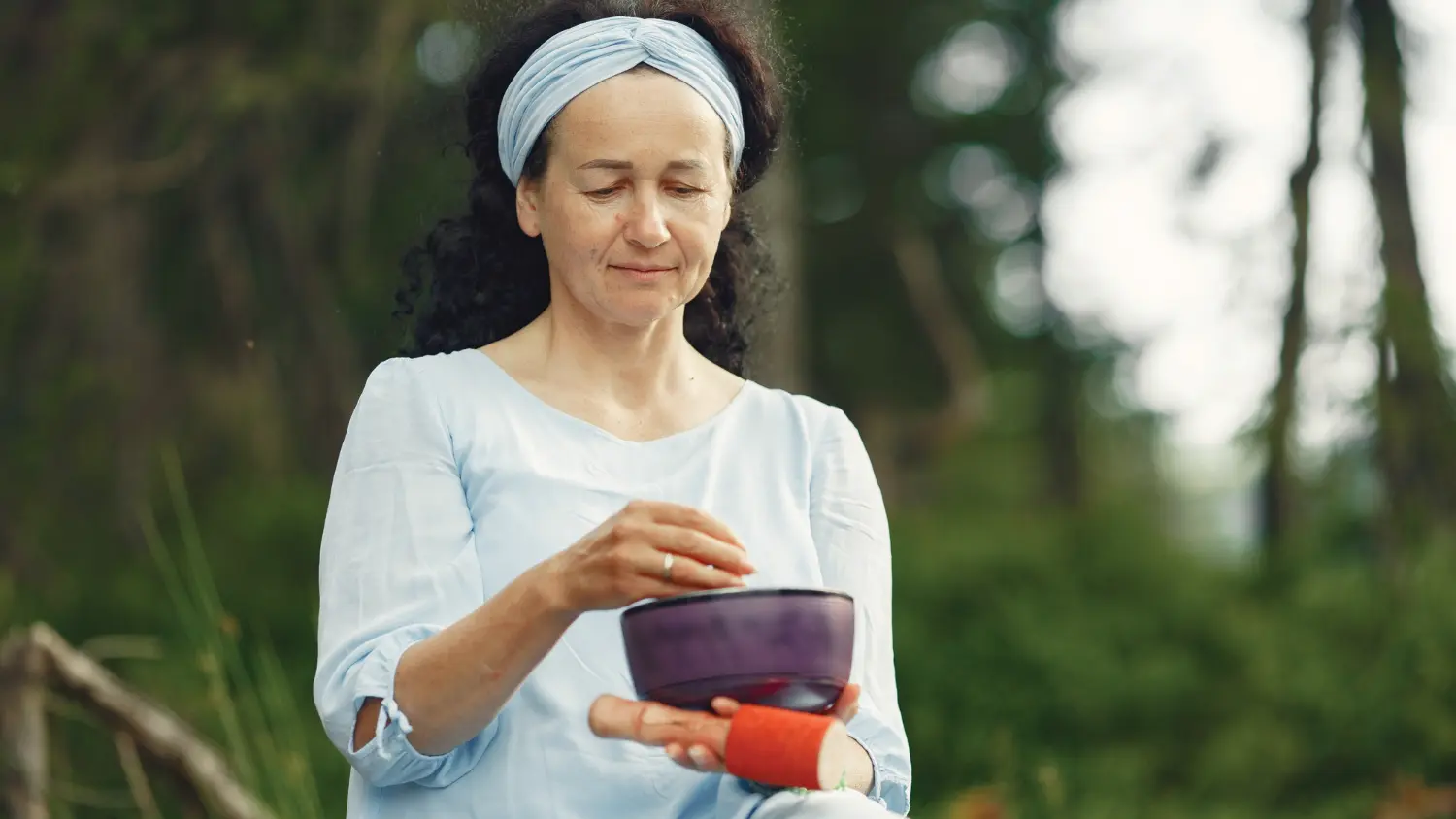
In today’s fast-paced world, stress has become an almost unavoidable part of life. From work pressures and financial struggles to personal challenges, it’s easy to feel overwhelmed. While medications are available to manage stress, many people prefer natural ways to reduce stress without medication – methods that focus on healing the mind and body organically.
At Mind Peace Zone, we believe that true calmness comes from within. Through mindful living and holistic practices, you can manage daily stress effectively and create lasting peace in your life. Let’s explore how you can naturally reduce stress and restore balance – one mindful habit at a time.
Understanding Stress and Its Impact
Stress is your body’s natural response to challenging situations. It triggers the release of hormones like cortisol and adrenaline, preparing you to face danger – a mechanism known as the “fight or flight” response.
However, chronic stress can take a toll on your body and mind. Some common effects include:
- Physical symptoms: headaches, fatigue, muscle tension, and digestive issues
- Emotional effects: anxiety, irritability, and mood swings
- Behavioral changes: sleep problems, overeating, or social withdrawal
While you can’t completely eliminate stress, you can learn to manage it naturally. The goal is not to remove stress but to build resilience against it.
Why Choose Natural Stress Relief Methods?
Relying on medication might offer temporary relief, but it doesn’t address the root causes of stress. Natural methods, on the other hand, work holistically – improving your mental, emotional, and physical well-being.
Here’s why natural stress management is so powerful:
- Fewer side effects: No dependency or withdrawal symptoms.
- Long-term effectiveness: Encourages lifestyle changes that promote ongoing calm.
- Empowerment: Teaches you to control stress rather than rely on external aids.
- Better overall health: Enhances immunity, sleep, and energy levels naturally.
By integrating natural methods into your daily routine, you cultivate an environment where peace and balance thrive effortlessly.
Top 10 Natural Ways to Reduce Stress Without Medication
Let’s explore proven and practical strategies that can help you manage stress naturally.
1. Practice Mindfulness and Meditation
Mindfulness is the art of staying fully present – aware of your thoughts, emotions, and surroundings without judgment. Meditation enhances this awareness by quieting the mind and focusing on the breath.
Studies show that meditation reduces cortisol levels, improves focus, and boosts emotional stability. Try starting with just 10 minutes a day, using guided sessions or meditation apps.
Mind Peace Zone recommends exploring guided meditations designed for relaxation and inner peace. You’ll be amazed at how much calmness just a few minutes of mindfulness can bring.
2. Exercise Regularly
Physical activity is one of the most effective natural stress relievers. When you exercise, your body releases endorphins – chemicals that act as natural mood boosters.
You don’t have to do intense workouts; even light activities such as:
- Walking or jogging
- Dancing
- Yoga or Pilates
- Swimming or cycling
…can significantly reduce anxiety and tension. Aim for 30 minutes of movement daily to keep both your body and mind in harmony.
3. Spend Time in Nature
Nature has a remarkable way of soothing the mind. Whether it’s a morning walk in the park, hiking in the hills, or simply sitting near greenery, being outdoors helps lower stress hormone levels.
The Japanese practice of “Shinrin-yoku” or “forest bathing” is a great example – immersing yourself in the sights, sounds, and smells of nature can rejuvenate your senses and reduce anxiety naturally.
4. Maintain a Balanced Diet
What you eat can directly affect your mood and stress levels. A healthy diet helps regulate hormones, energy, and emotional stability. Consider including:
- Whole grains (brown rice, oats, quinoa)
- Fruits and vegetables rich in antioxidants
- Omega-3 fatty acids (found in fish, flaxseeds, and walnuts)
- Herbal teas like chamomile, green tea, or lemon balm
Avoid processed foods, refined sugars, and excess caffeine – they can heighten anxiety and mood swings.
5. Get Enough Sleep
Lack of sleep can worsen stress, while chronic stress can interfere with sleep – creating a vicious cycle. Prioritize 7–8 hours of quality sleep each night to give your mind and body time to recover.
Tips for better sleep:
- Stick to a consistent bedtime schedule.
- Limit screen time an hour before bed.
- Create a calming pre-sleep routine (reading, meditation, or gentle stretching).
- Keep your room cool, dark, and quiet.
Quality rest restores your energy, sharpens focus, and makes you more resilient to stress.
6. Try Deep Breathing Techniques
Breathing exercises are among the fastest and most effective natural stress relievers. Deep, controlled breathing activates your parasympathetic nervous system, signaling your body to relax.
Try the 4-7-8 breathing technique:
- Inhale through your nose for 4 seconds.
- Hold your breath for 7 seconds.
- Exhale slowly through your mouth for 8 seconds.
Repeat this cycle 3–5 times whenever you feel tense.
7. Connect with Others
Social connection is a natural antidote to stress. Talking with friends, family, or even support groups helps release emotional tension and provides perspective.
Engage in:
- Meaningful conversations
- Shared activities or hobbies
- Volunteering or community work
Human connection reminds you that you’re not alone – a powerful stress buffer.
8. Limit Caffeine and Sugar Intake
While caffeine and sugar offer quick bursts of energy, they often lead to crashes that heighten irritability and anxiety. Replace sugary snacks or excessive coffee with:
- Herbal teas
- Fresh fruits
- Water infused with lemon or mint
Reducing these stimulants helps stabilize your mood and energy throughout the day.
9. Practice Gratitude
Focusing on what you have, rather than what you lack, can shift your mindset dramatically. Keeping a gratitude journal – writing down three things you’re thankful for each day – fosters positivity and reduces stress.
Gratitude helps your brain rewire itself to notice joy and abundance, even amid challenges.
10. Engage in Creative Activities
Creative outlets like painting, writing, gardening, cooking, or playing music help you express emotions and relax your mind. They offer a healthy escape from daily worries and stimulate the brain’s reward centers.
You don’t need to be a professional – just create for the joy of it. Creativity promotes mindfulness and flow, two powerful states for stress relief.
The Ever-Evolving World of Stress Relief
Stress relief methods continue to evolve as science and holistic practices expand. From ancient traditions like yoga and aromatherapy to modern tools like mindfulness apps, our understanding of mental well-being grows every day.
The world of stress management is becoming more inclusive – merging science, spirituality, and self-care to create a balanced, evidence-based approach to wellness.
At Mind Peace Zone, we explore these ever-evolving techniques to help people live calmer, happier lives in a world that never stops moving.
Creating Your Personalized Stress Relief Routine
Every individual experiences stress differently. What works for one person might not work for another. The key is to find a balance that fits your lifestyle.
Here’s how to build your personalized stress relief plan:
- Identify your triggers – Understand what situations cause stress.
- Choose your tools – Pick 2–3 natural methods that feel comfortable.
- Start small – Introduce one habit at a time (like daily breathing or journaling).
- Be consistent – Regular practice brings lasting results.
- Review and adjust – Evolve your routine as your needs change.
Stress management isn’t about perfection – it’s about progress and self-compassion.
Final Thoughts
Stress is inevitable, but suffering from it doesn’t have to be. Through mindful practices, physical activity, proper rest, and emotional awareness, you can naturally manage stress and reclaim your sense of peace.
Remember, your well-being is in your hands. Small, intentional actions can make a world of difference. Embrace these natural techniques to create a calmer, more fulfilling life – one breath at a time.
For more insights on mindfulness and holistic living, visit Mind Peace Zone, your trusted destination for practical mental wellness inspiration.
FAQs
Can stress really be managed without medication?
Yes. Many natural methods – like meditation, deep breathing, and exercise – help regulate stress hormones and improve resilience without any medication.
How long does it take to see results from natural stress relief techniques?
It varies by person, but with consistent practice, most people start noticing improvements in 1–3 weeks of applying techniques like mindfulness and better sleep habits.
Is meditation suitable for everyone?
Absolutely. Meditation can be adapted for any lifestyle or belief system. Beginners can start with just 5 minutes daily and gradually increase their practice.
What foods help reduce stress naturally?
Foods rich in magnesium, omega-3 fatty acids, and antioxidants – such as leafy greens, nuts, berries, and salmon – are known to support stress reduction.
Can lifestyle changes completely eliminate stress?
Not entirely – stress is a natural part of life. However, lifestyle changes help you manage it more effectively, keeping it from overwhelming your health or happiness.
How can I stay consistent with my stress relief routine?
Set small, realistic goals, and create a daily reminder. Pair your new habits (like journaling or meditation) with existing routines, such as your morning coffee or bedtime.


