
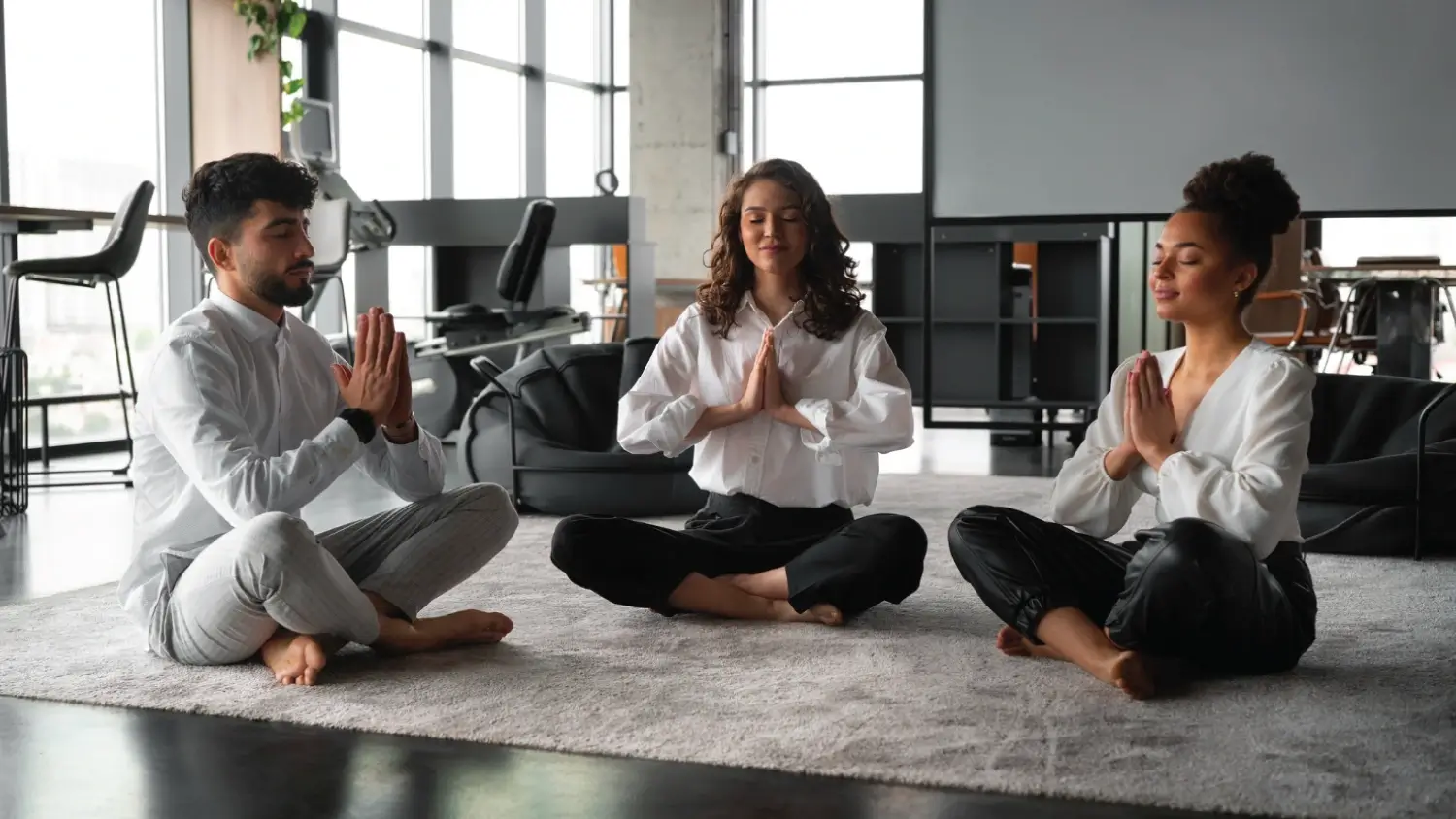
Finding Calm in a Hectic World
In today’s fast-paced lifestyle, finding time for self-care can feel almost impossible. Between work meetings, family responsibilities, and constant digital distractions, dedicating even 10 minutes to mindfulness might seem unrealistic. However, the truth is – you don’t need hours of meditation to find inner peace.
Even 5 minutes of mindful meditation a day can make a significant difference. It can lower stress, boost mental clarity, and help you stay grounded amid chaos. The beauty of meditation lies in its simplicity – you can practice it anywhere, anytime, without any equipment or special setup.
At Mind Peace Zone, we believe in making meditation approachable for everyone – especially for busy individuals who need quick yet effective tools for mental calmness and emotional balance.
The Ever-Evolving Practice of Meditation
Meditation has evolved significantly over centuries. What began as a spiritual tradition in ancient Eastern cultures is now embraced worldwide as a scientifically proven method for mental health, emotional resilience, and focus.
Modern meditation practices are more flexible, accessible, and inclusive than ever before. From guided audio meditations and mindfulness apps to short breathing exercises and yoga integrations – meditation continues to adapt to the rhythm of our modern world.
This evolution reflects a powerful truth: meditation is not about how long you sit – it’s about how consistently you show up. A 5-minute daily practice can be just as transformative as longer sessions if done mindfully and regularly.
Why 5-Minute Meditation Works for Busy People
Many people assume meditation requires hours of sitting silently. But research shows that even short sessions can create measurable positive effects on mood, concentration, and stress levels.
Here’s why 5-minute meditation works wonders:
- Accessibility: Anyone can spare five minutes – during a lunch break, before a meeting, or after waking up.
- Consistency over duration: A shorter practice is easier to stick to daily, forming long-term habits.
- Instant calm: Within minutes, slow breathing and mindful awareness can reduce cortisol (the stress hormone).
- Mental reset: It gives your brain a moment to pause, process, and refocus – improving productivity and emotional control.
Think of it as a quick mental recharge – just like plugging in your phone battery for a quick top-up.
5 Simple and Effective 5-Minute Meditation Practices
Here are five practical meditation techniques that can easily fit into any busy schedule. Each one requires no special setup – just your intention and five minutes of stillness.
1. Mindful Breathing Meditation
Duration: 5 minutes
Purpose: To calm the nervous system and enhance focus.
How to Practice:
- Sit comfortably and close your eyes.
- Take a deep breath in through your nose for 4 seconds, hold for 2 seconds, and exhale slowly for 6 seconds.
- Focus your full attention on the rhythm of your breath.
- If your mind wanders, gently return to your breathing without judgment.
Benefits: Reduces anxiety, promotes relaxation, and enhances emotional control.
2. Body Scan Meditation
Duration: 5 minutes
Purpose: To increase body awareness and release tension.
How to Practice:
- Sit or lie down comfortably.
- Bring your awareness to your feet, and slowly move your focus upward – legs, torso, arms, neck, and head.
- Notice any sensations or tension in each area.
- Breathe into those sensations and allow them to soften.
Benefits: Helps relax tight muscles, improves self-awareness, and promotes mental clarity.
3. Loving-Kindness (Metta) Meditation
Duration: 5 minutes
Purpose: To cultivate compassion and emotional healing.
How to Practice:
- Sit quietly and take a few deep breaths.
- Repeat silently:
- “May I be happy.”
- “May I be healthy.”
- “May I live with ease.”
- Gradually extend these wishes to others – loved ones, acquaintances, and even people you find challenging.
Benefits: Enhances empathy, reduces anger, and fosters emotional balance.
4. Visualization Meditation
Duration: 5 minutes
Purpose: To reduce stress and boost positivity.
How to Practice:
- Close your eyes and visualize a calm place – a beach, forest, or peaceful garden.
- Engage all your senses: smell the air, feel the breeze, hear the sounds.
- Imagine yourself completely relaxed and safe in this space.
Benefits: Promotes creativity, reduces stress, and improves mood.
5. Gratitude Reflection Meditation
Duration: 5 minutes
Purpose: To shift focus from stress to appreciation.
How to Practice:
- Sit comfortably and breathe deeply.
- Think of three things you’re grateful for today.
- Visualize these moments and feel the gratitude in your heart.
Benefits: Increases happiness, reduces negativity, and enhances life satisfaction.
How to Create a Consistent Meditation Routine
The key to lasting benefits lies in consistency, not duration. Here’s how you can make meditation a natural part of your daily routine:
- Set a fixed time: Choose the same time every day – morning or bedtime works best.
- Create a small ritual: Light a candle, play calm music, or use a meditation app.
- Start small: Even one minute of mindfulness counts. Gradually increase to five minutes.
- Track your progress: Journaling your experience can reinforce commitment.
- Be kind to yourself: Don’t aim for perfection – focus on presence.
Consistency trains your brain to switch into calm mode more easily, making meditation effortless over time.
Overcoming Common Barriers to Daily Meditation
Here are some practical solutions for the most common excuses:
| Barrier | Solution |
|---|---|
| “I don’t have time.” | Use short 5-minute sessions during breaks. |
| “I can’t stop thinking.” | Remember – it’s normal! The goal is awareness, not silence. |
| “I fall asleep.” | Try meditating sitting up with eyes slightly open. |
| “I lose motivation.” | Join an online meditation group or follow guided sessions on Mind Peace Zone. |
| “I forget to meditate.” | Set reminders or link meditation to a daily habit, like morning coffee. |
The Science Behind Short Meditation Sessions
Numerous scientific studies have confirmed that even brief mindfulness sessions can lead to real physiological changes in the brain and body.
Key Research Findings:
- Reduced Stress: Just a few minutes of deep breathing lowers heart rate and cortisol levels.
- Improved Focus: Short mindfulness sessions strengthen the prefrontal cortex, enhancing attention and decision-making.
- Emotional Regulation: Meditation activates the brain’s emotional control centers, reducing anxiety and irritability.
- Better Sleep: Short evening meditations can help you unwind and prepare your body for restful sleep.
Even five minutes of focused attention can literally rewire your brain toward calmness and clarity.
How “Mind Peace Zone” Supports Modern Mindfulness
At Mind Peace Zone, we believe mindfulness should fit seamlessly into your modern lifestyle. Our mission is to help busy professionals, parents, and students discover practical meditation techniques that align with their daily routines.
We provide accessible, science-backed mindfulness resources that evolve with today’s digital world – from 5-minute guided meditations to articles that inspire personal growth and emotional well-being.
Through our ever-evolving approach to meditation, we aim to help people find peace amid the noise and live with more awareness, gratitude, and balance.
Final Thoughts: A Small Step Toward a Peaceful Mind
You don’t need hours of meditation to change your life – you just need a few minutes of intention and consistency. Whether you practice mindful breathing during a coffee break or a gratitude meditation before bed, those moments add up to a calmer, more centered you.
Start small, stay consistent, and watch as 5 minutes of mindfulness reshapes your day – one peaceful breath at a time.
FAQs
Can 5 minutes of meditation really make a difference?
Yes! Research shows that even short mindfulness sessions can reduce stress, improve focus, and enhance emotional stability when practiced regularly.
What’s the best time of day to meditate?
Early morning or before bedtime works best for most people, but anytime you can focus for 5 minutes will work perfectly.
Do I need to sit cross-legged to meditate?
Not at all. You can meditate while sitting on a chair, standing, or even walking – comfort is key.
How long before I notice results?
Some people feel calmer immediately, while others may notice changes after a few weeks of consistent practice.
Can I meditate with background music or apps?
Yes! Gentle instrumental music or guided meditation from trusted platforms like Mind Peace Zone can enhance focus and relaxation.
What if my mind keeps wandering?
That’s completely normal. Each time you notice your thoughts drifting, gently bring your attention back to your breath or focus point. That is the essence of mindfulness.


