
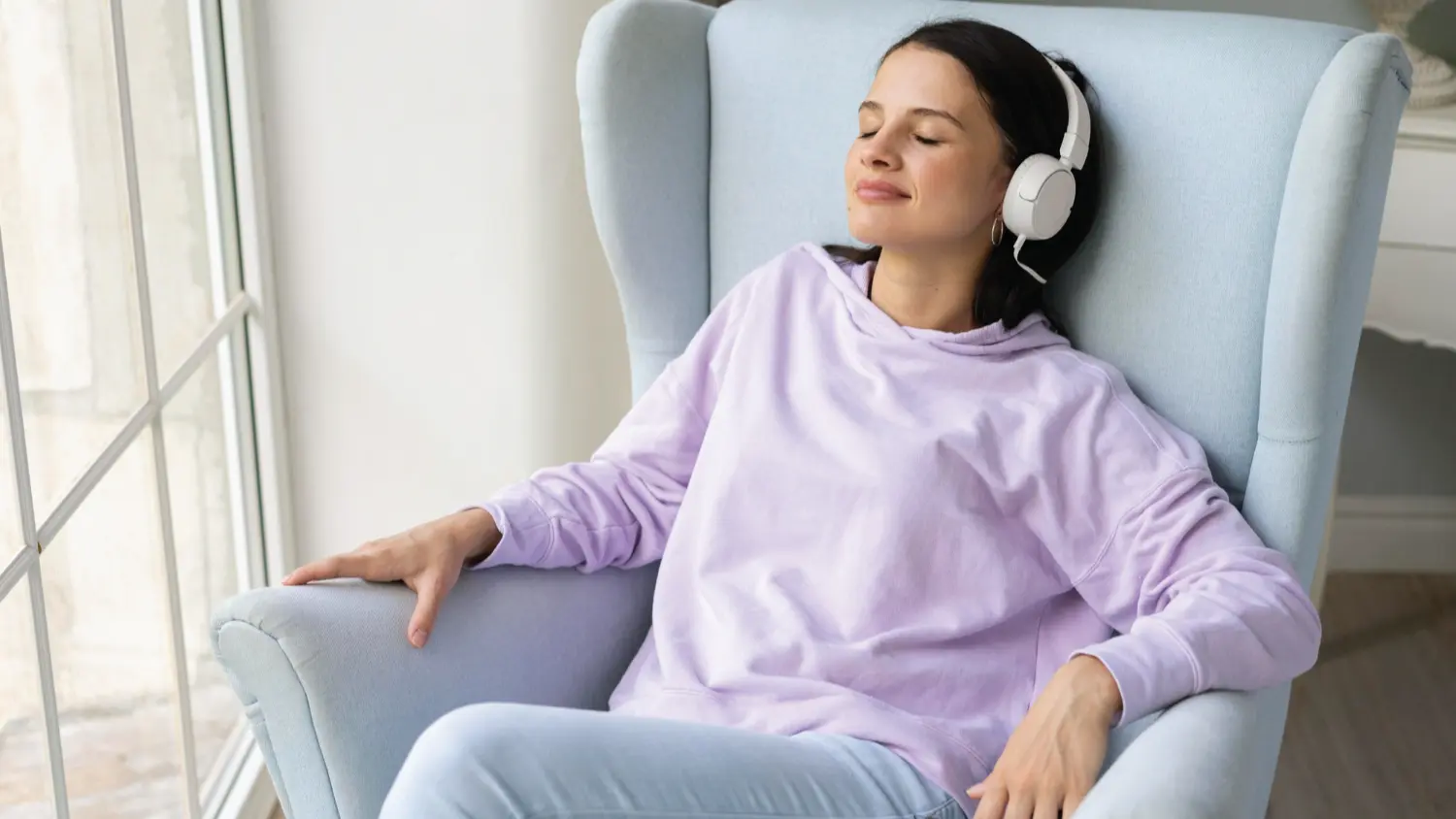
In today’s fast-paced world, stress has become an inseparable part of life. From work pressure to personal responsibilities, the constant rush can drain your mental and emotional energy. Thankfully, one of the most natural and enjoyable ways to combat stress is through music and sound therapy.
Sound has been used for centuries as a healing tool in many cultures. Today, science supports what ancient traditions always knew – that sound frequencies and rhythmic vibrations can help reduce anxiety, balance emotions, and promote overall well-being.
At Mind Peace Zone, we explore ever-evolving stress relief techniques that harness the calming power of sound and music to help restore peace and harmony in everyday life.
Understanding Stress and Its Effects on the Mind and Body
Stress is the body’s natural response to perceived threats or challenges. While short-term stress can sometimes boost focus or energy, chronic stress leads to:
- Anxiety and irritability
- Insomnia and fatigue
- Muscle tension and headaches
- Weakened immune system
When left unchecked, prolonged stress disrupts hormonal balance, particularly by increasing cortisol, the primary stress hormone. This imbalance affects both the body and the mind, making it harder to relax, concentrate, or feel emotionally stable.
That’s where music and sound therapy come into play – helping restore the body’s natural rhythm and inducing deep relaxation.
What Is Music and Sound Therapy?
Music therapy involves using musical elements-such as rhythm, melody, and harmony-to promote mental, emotional, and physical healing. It can be both active (singing, playing instruments) or passive (listening to calming music).
Sound therapy, on the other hand, focuses on specific sound frequencies or vibrations to stimulate relaxation and healing at a deeper level. This might include:
- Tibetan singing bowls
- Gong baths
- Binaural beats
- Tuning forks
- Nature soundscapes
Both therapies aim to synchronize brain waves with soothing frequencies, allowing your mind to move from an active beta state to a calm alpha or theta state – associated with meditation and creativity.
The Science Behind Sound and Its Impact on Stress Relief
Music and sound affect the autonomic nervous system, which controls the heart rate, blood pressure, and breathing. When you listen to calm, harmonious sounds:
- Your heartbeat slows down
- Blood pressure decreases
- Cortisol levels drop
- The brain releases dopamine and endorphins, creating feelings of pleasure and relaxation
Studies have shown that certain sound frequencies (between 432Hz and 528Hz) resonate deeply with the body’s natural rhythm, promoting healing and tranquility.
Moreover, binaural beats – when two slightly different frequencies are played in each ear – can help entrain the brain to a specific state of relaxation or focus, aiding stress management and emotional stability.
Benefits of Music and Sound Therapy in Stress Management
a. Reducing Cortisol Levels
Research suggests that soothing music can lower cortisol production, leading to reduced tension and anxiety. Even a 15-minute sound therapy session can make a noticeable difference in stress perception.
b. Enhancing Emotional Balance
Sound therapy encourages emotional release and self-expression. It helps individuals reconnect with their inner selves, reducing feelings of sadness or irritability.
c. Improving Sleep Quality
Listening to gentle music before bedtime helps the body transition into a calm state, making it easier to fall asleep and stay asleep longer. This benefit makes sound therapy ideal for people struggling with insomnia due to stress.
d. Supporting Meditation and Mindfulness
Music creates a peaceful environment that enhances mindfulness and meditation practices. It allows the mind to stay focused on the present moment, promoting mental clarity and reducing overthinking.
Types of Sound Healing Techniques
a. Binaural Beats
Binaural beats use two slightly different tones to produce a third tone perceived by the brain. Depending on the frequency, these beats can induce states of relaxation, focus, or deep sleep.
b. Singing Bowls
Tibetan and crystal singing bowls produce harmonic vibrations that promote relaxation, balance the chakras, and encourage energy flow throughout the body.
c. Gong Baths
A gong bath involves immersing oneself in the powerful sound waves of a gong. The vibrations penetrate deeply into the body, releasing tension and resetting the nervous system.
d. Nature Sounds
Listening to sounds of rain, ocean waves, or birdsong helps the mind reconnect with nature – a proven way to calm the nervous system and reduce anxiety.
e. Guided Music Meditation
Guided meditations often combine soft background music with voice narration to guide breathing and visualization. This helps release mental clutter and fosters peace of mind.
How to Use Music Therapy in Daily Life
Incorporating music and sound therapy into your daily routine doesn’t require professional equipment. Here are some simple ways:
- Morning Calm: Start your day with soft instrumental music to set a peaceful tone.
- During Work: Play low-volume ambient music to boost focus and reduce tension.
- After Work: Use sound baths or binaural beats to unwind after a busy day.
- Before Sleep: Listen to slow-tempo tunes (around 60–80 BPM) to encourage relaxation.
- Meditation Time: Use singing bowls or nature sounds to deepen your mindfulness practice.
Consistency is key – even 10–15 minutes of music therapy daily can make a lasting difference.
Tips to Choose the Right Music for Stress Relief
Choosing the right sound depends on your emotional needs. Keep these tips in mind:
- Pick instrumental or ambient music rather than lyrical songs to avoid distraction.
- Experiment with different genres like classical, ambient, or world music.
- Opt for natural soundscapes (rain, ocean waves, forest sounds) for grounding energy.
- Use headphones for binaural beats or guided meditations for maximum effect.
- Trust your instincts – if a sound relaxes you, it’s right for you.
Ever-Evolving Role of Music Therapy in Modern Wellness
The role of music and sound therapy in stress management continues to evolve with new research and technology. Today, many wellness centers and therapists integrate AI-based soundscapes, vibroacoustic therapy, and frequency healing apps to personalize stress-relief experiences.
At Mind Peace Zone, we believe in embracing these ever-evolving stress relief methods that merge ancient wisdom with modern science. Whether through traditional singing bowls or digital sound therapy apps, music continues to be a timeless healer for the mind and soul.
Final Thoughts
Music and sound therapy remind us that healing doesn’t always come in the form of pills or medical treatments. Sometimes, it’s as simple as closing your eyes and letting gentle vibrations wash over you.
Whether you choose to meditate with binaural beats, attend a gong bath session, or simply enjoy relaxing background tunes, sound therapy offers a natural, side-effect-free way to manage stress, balance emotions, and enhance overall well-being.
So next time you feel overwhelmed, turn on some soothing music – and let the healing begin.
FAQs
What is the difference between music therapy and sound therapy?
Music therapy uses melodies and rhythms to influence mood and emotions, while sound therapy focuses on specific frequencies and vibrations that heal on a cellular level.
Can sound therapy really reduce anxiety and stress?
Yes. Studies show that certain sound frequencies can lower cortisol, reduce heart rate, and promote relaxation – helping alleviate anxiety and chronic stress.
How often should I practice music or sound therapy?
Even 10–20 minutes daily can help. Regular practice enhances long-term emotional stability and stress resilience.
Do I need special equipment for sound therapy?
No. You can start with basic tools like a singing bowl or simply listen to sound therapy playlists or apps available online.
What type of music is best for relaxation?
Soft instrumental, ambient, classical, or nature-inspired sounds are most effective for reducing stress and calming the mind.
Is sound therapy suitable for everyone?
Yes, it’s safe for all ages. However, individuals with epilepsy or certain neurological conditions should consult a professional before using binaural beats.


